Major Benefits of Fitting Rooflights in Your Home
Installing rooflights in a home provides numerous compelling advantages. They bring in ample natural light, which can boost both mental health and performance. Additionally, rooflights can promote better air quality and airflow, providing a more enjoyable home environment. Their contemporary design features also enhance a home's visual charm. Homeowners might be curious about how these benefits relate to energy efficiency and higher property values. Investigating these elements can highlight even more convincing reasons to think about installing rooflights.
Why Choose Rooflights?
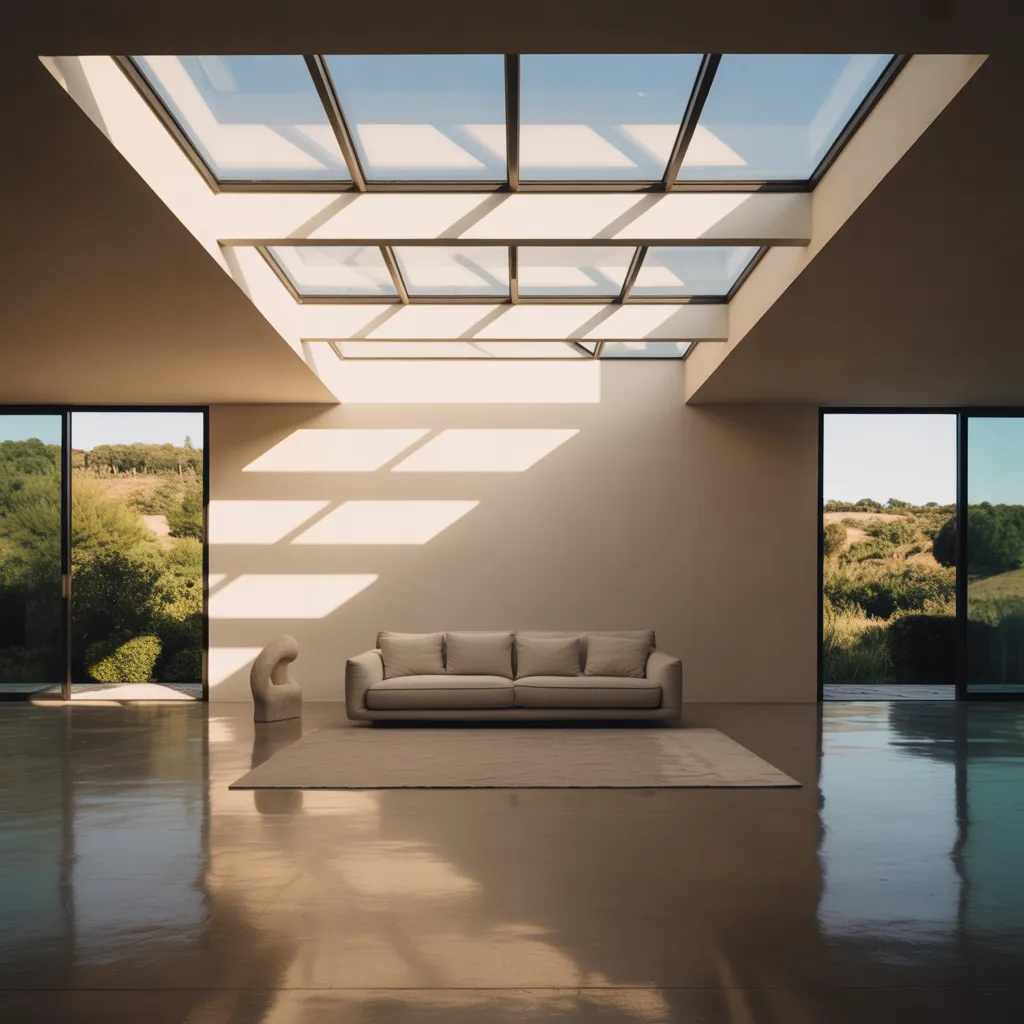
Adding rooflights can considerably improve a home's aesthetic and practical value. They act as a modern architectural feature that not only brightens interiors but also contributes a remarkable stylistic touch. Homeowners frequently opt for rooflights to establish a more airy and expansive feel, effectively merging indoor and outdoor environments. This fusion can transform the overall feel of a room, making it feel more inviting.
Furthermore, rooflights can enhance energy efficiency by reducing reliance on artificial lighting during daylight hours. This natural illumination can lead to savings on electricity bills over time. Rooflights also provide an opportunity for greater ventilation, promoting better air circulation within the home. In addition, they can improve property value, as potential buyers often recognise the contemporary appeal and increased practicality. Consequently, installing rooflights can be a smart investment for homeowners seeking to improve both visual appeal and usability.
Natural Light and Its Effect on Well-Being
Natural light serves an essential role in improving overall well-being. Studies indicate that increased exposure to natural light can elevate mood, boost energy levels, and improve sleep quality. By installing rooflights in a home, occupants can take advantage of these benefits for a healthier home environment.
Improving Mood With Light
Illumination serves as a potent catalyst for emotional upliftment, significantly impacting psychological health. Daylight, particularly via rooflights, can cultivate a peaceful atmosphere that encourages positivity. Studies have shown that being exposed to natural light triggers increased production of serotonin, a neurotransmitter associated with feelings of happiness and relaxation. This improved mental state can be especially helpful in the darker seasons when natural light is limited. Additionally, the influx of natural light can reduce anxious and depressive feelings, contributing to a healthier emotional balance. By integrating rooflights into a home, individuals can leverage the invigorating effects of natural light, transforming their living spaces into sanctuaries of peace and happiness, ultimately promoting a more fulfilling and joyful way of life.
Boosted Energy Levels
A notable relationship exists between natural light exposure and better energy levels throughout the day. Natural light acts as a key source of energy, triggering the body's production of serotonin, a hormone linked to improved mood and alertness. When individuals experience abundant daylight, their circadian rhythms are positively influenced, leading to increased productivity and focus. Rooflights are notably successful in utilising this natural illumination, enabling sunlight to fill living spaces, thereby energizing inhabitants. The influx of light not only combats feelings of fatigue but also creates a more lively environment. As a result, those who optimize their homes with rooflights often report heightened energy levels and an overall sense of well-being, making them an indispensable addition to any living environment.
Better Sleep Quality
Quality sleep is essential for overall well-being, and access to natural light plays a significant role in controlling sleep cycles. Rooflights enhance the amount of natural light in living spaces, which can have a profound effect on circadian rhythms. Increased sunlight exposure helps to boost serotonin levels during the day, supporting a more positive mood and sustained energy levels. When evening draws near, diminishing light signals the body to release melatonin, the hormone responsible for sleep. This organic cycle supports deeper, more refreshing sleep. Research indicates that homes benefiting from abundant natural light can alleviate insomnia and enhance overall sleep quality. By fitting rooflights, homeowners can capitalise on the advantages of natural sunlight, fostering healthier sleep habits and greater well-being.
How Rooflights Boost Ventilation and Air Quality
Rooflights serve a vital function in enhancing home ventilation and air quality. By facilitating improved airflow circulation, they let stagnant air out while welcoming clean air inside. This natural introduction of fresh air can significantly support a healthier living environment.
Superior Air Flow Circulation
When looking for methods to improve interior spaces, integrating rooflights can greatly improve airflow circulation. Rooflights promote air movement by letting warm air travel upward and out, creating a natural flow that encourages cooler air to enter from below. This mechanism not only assists in sustaining a pleasant temperature but also reduces the accumulation of stagnant air and interior contaminants. Through careful positioning of rooflights, homeowners can maximize cross-ventilation, improving the general air quality. Additionally, the introduction of natural light through rooflights complements improved airflow, creating a more inviting and healthier living space. Overall, the installation data of rooflights serves as an effective solution for enhancing airflow circulation within the home.
Natural Fresh Air Supply
While many homeowners seek ways to enhance indoor air quality, the integration of rooflights presents a notable improvement by improving ventilation. Rooflights promote natural ventilation, permitting stagnant air to exit while welcoming fresh outdoor air. This process assists in lowering indoor contaminants, allergens, and moisture levels, creating a healthier living environment. By positioning rooflights strategically, homeowners can encourage thorough cross-ventilation, ensuring that air circulation is maximized throughout the space. Moreover, the presence of natural light works alongside the improved air supply, additionally elevating the overall atmosphere. All things considered, integrating rooflights not only improves air quality but also supports energy efficiency, as decreased dependence on mechanical ventilation systems reduces energy usage.
Elevating Aesthetic Appeal With Rooflights
How does the careful arrangement of rooflights enhance a living area? Rooflights act as a distinctive design component that improves the overall appearance of any room. By enabling natural light to pour in, they generate an expansive and refreshing environment, making areas feel more generous and appealing. The interplay of light and shadows can highlight architectural details, drawing attention to intricate designs and textures.
Furthermore, rooflights may act as standout features, bringing character to previously ordinary ceilings. They exist in many different styles and sizes, giving homeowners the ability to match their unique decor. Whether featured in a modern minimalist property or a conventionally styled space, rooflights can integrate beautifully into the overall design theme. Additionally, the glimpse of the sky and surrounding environment through rooflights can create a feeling of calm and closeness to the natural world, further enhancing the overall ambiance within the home.
Spend Less With Energy-Efficient Rooflights
Energy-saving rooflights provide homeowners with an effective way to lower energy expenses while improving natural light levels. Through maximizing natural daylight intake, these rooflights minimize the need for artificial lighting, producing noticeable savings on electricity bills. Numerous designs feature sophisticated glazing systems that limit heat loss throughout winter and curb heat buildup during summer, helping to maintain consistent indoor temperatures.
Additionally, leveraging natural light can enhance overall wellbeing and efficiency, reinforcing the investment. Residents may also learn that energy-efficient rooflights meet the criteria for various energy-saving incentives or rebates, enhancing the financial benefits. Beyond this, the deliberate positioning of rooflights can optimize ventilation, minimizing the requirement for air conditioning and additionally reducing energy expenses. All things considered, energy-efficient rooflights present a persuasive option for those looking to enhance their properties for sustainability and cost-effectiveness.
Enhance Your Home's Value With Rooflights
Rooflights can greatly enhance a home's worth, as they not only enhance the visual appeal but also create a more inviting and spacious atmosphere. By permitting natural light to stream through living spaces, rooflights make rooms feel larger and more welcoming. This abundance of natural light can particularly attract potential buyers, making the property stand out in a competitive market.
In addition, rooflights are regularly linked to contemporary design movements, which can draw in potential buyers seeking up-to-date elements. The addition of these fixtures can also indicate energy efficiency, as they decrease the requirement for conventional lighting during the day.
Additionally, strategically positioned rooflights can improve the overall practicality of a home, making areas including kitchens and living rooms more comfortable. Consequently, investing in rooflights serves not only to boost the home's visual appeal but also to raise its market value, making it a sound investment for homeowners thinking about renovations.
Questions We Often Receive
In What Ways Do Rooflights Impact a Home's Insulation Properties?
Rooflights are able to improve a home's energy efficiency by permitting natural light to enter while reducing heat loss. Properly installed, they enhance thermal performance and decrease dependence on artificial light sources, contributing to overall energy savings and comfort within the space.
What Maintenance Is Required for Rooflights?
Standard maintenance for rooflights involves washing the glass panels, identifying any leaks, inspecting seals, and confirming the surrounding roofing remains in good condition. Periodic assessments assist in preserving functionality and avoiding potential damage over time, ensuring longevity and efficiency.
Are Rooflights Suitable for Installation in Existing Roofs?
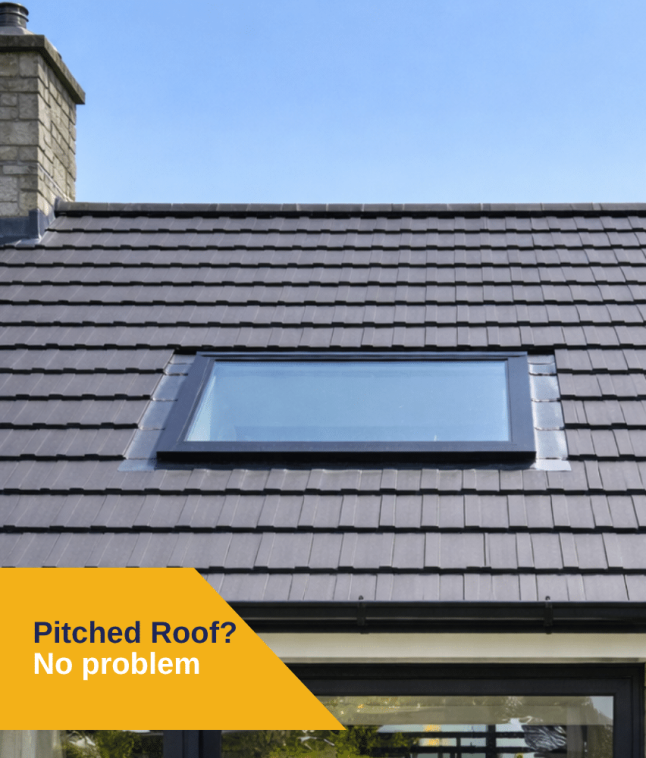
That's correct, rooflights may be incorporated into current roof structures, provided the existing structure remains sound. A professional assessment is crucial to confirm that the design aligns with the current roof layout and to comply with relevant building regulations along with insulation standards.
Are There Any Building Regulations for Installing Rooflights?
Absolutely, construction regulations oversee rooflight fitting, ensuring structural integrity, safety, and energy efficiency. Compliance with local regulations is essential, often requiring official planning consent or adherence to defined standards regarding materials used, size, and placement.
Which Types of Rooflights Are Available on the Market Today?
There are numerous types of rooflights available, ranging from fixed and opening options to skylights. Manufactured in materials like glass and polycarbonate, delivering solutions for both aesthetics and functionality, meeting the demands of diverse architectural styles and preferences.